While we here at CSM are all about living in the moment (we’ve had our fair share of popsicles and pool time in the last few months) we feel it’s important to remember that the fourth quarter will be here faster than you can say “CANNONBALL!”

Planning ahead for the fourth quarter is ALWAYS critical

Consumers spend more during this time of year than any other, making it crucial that you have a solid marketing strategy in place well in advance of the holidays. But this year, with an election in November, the importance of planning ahead is especially important. Elections can greatly influence consumer behavior and they can also impact the availability and cost of both traditional and digital media. Placing your media buys early can help ensure that you get the best price and the best placements for your marketing message.

But favorable pricing and well-placed spots are only part of a winning strategy. Now is the time to refine your value proposition and make sure you are communicating it in a creative way that will connect with consumers. What sets you apart? Are you clearly communicating the benefits and unique selling points of your brand to your target audience? Could your visuals be more engaging? Could your copy be more persuasive? Are you consistently branding across all channels so that every ad placement builds name recognition and recall?

Don’t let poor planning cause you to miss this opportunity

As the election gets closer, consumers are more and more likely to be “tuned in” to ALL media sources. And many brands will be vying for that attention this 4th quarter. It’s a great opportunity to get your message out in front of a larger audience than usual. But when the airwaves are this crowded, the competition is fierce. Messages that are stale and creative that doesn’t immediately inspire will be drowned out and precious marketing dollars will be wasted.

To quote one of our favorite presidents, Abraham Lincoln…

“Give me six hours to cut down a tree and I will spend the first four sharpening the ax.” No matter your fourth quarter focus—maximizing sales and revenue, building brand awareness, or generating leads and conversions, the time to prepare is now and Central States Marketing is here to help you sharpen the ax!

It’s no secret that digital media (such as search, display, and online video) has increased in popularity over the last decade or so. While digital media is an excellent marketing tool, it doesn’t mean that tried and true methods of traditional media (like radio, TV, print, and outdoor billboards) should be left behind. Using a combination of both digital and traditional is the most effective method of marketing and is far more useful than using either on its own.

When combined, the benefits of both plans help complement the other. Traditional marketing tactics have proven high success rates. Digital media can provide more customer interaction and detailed targeting capabilities. Each technique appeals to different people and audiences, so a blend of the two provides an excellent way to reach your potential customers. Most people consume various types of media throughout their day, so diversifying your marketing dollars can help expand overall reach.

For example, television and print ads are helpful in spreading information and can also incorporate a message to look for more information on a website (a ‘call to action’ of sorts). Coca-Cola is an example of a company who has done a great job of incorporating online with traditional. Their “Share a Coke” campaign allowed customers to find their names and names of friends on bottle labels (a more traditional method). These labels included hashtags, encouraging customers to share pictures and tag friends on social media (an online method). Coca-Cola was able to actively engage customers through this strategy, which combined aspects of both traditional and digital.

Additionally, using both traditional and digital marketing methods allows your message to be spread across many different channels. Depending on the target audience, some techniques may work better than others. McDonalds uses multiple channels to their advantage, utilizing billboard and print ads to attract the attention of potential customers, but also having a strong online presence. This allows them to reach customers they may not have if they had stuck to only one channel.

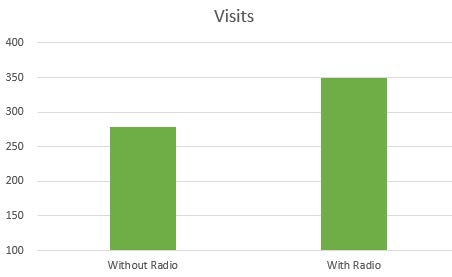
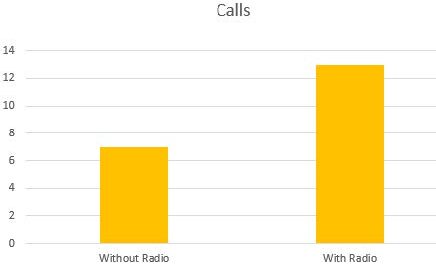
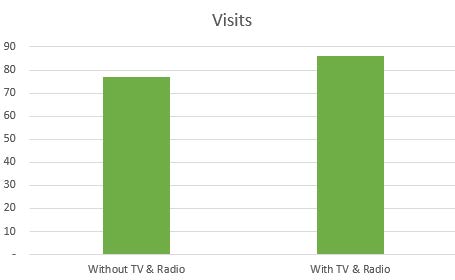
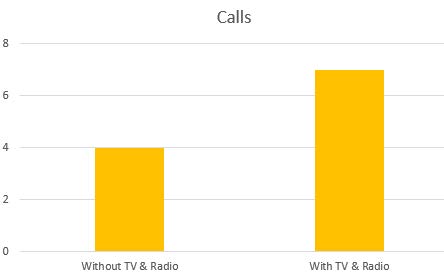
Running traditional media can also help boost your digital marketing efforts. For example, a regional healthcare facility ran a campaign which included paid search and broadcast radio. When the radio commercials were running, the digital campaign saw an increase of 13.38% in visits/clicks, and an 85.71% increase in calls.

In another example, a local HVAC company ran a digital marketing campaign (paid search, online display and video) in conjunction with a traditional media campaign of broadcast radio and TV. During the time traditional media was running, the paid search campaign had an 11.69% increase in visits/clicks and a 75% increase in calls.

So you just started a new online ad campaign – paid search, display, video, or social media – and you’re understandably excited! But then you notice that you’re not seeing your ad. Is something wrong with your campaign?

Probably not. It’s not unusual to not see your own ad, for a number of reasons. Let’s take a look at why this might be happening.

Paid Search

Your paid search campaign started and you keep searching for your business name or industry keywords, but your ad isn’t appearing. Why? Search engines are designed with in-depth, algorithm-based rules and preferences to determine intent and what ads to serve – and those algorithms undergo some amount of change almost every day! Since paid search is an auction system with real-time bids, a search that happens now will show different results than a search that happens five minutes from now.

There are many factors that will affect whether an ad will show such as day of the week, time, device type, bid, competitor bid, etc. If you’ve previously searched and your URL has come up organically and you did not click it, or clicked it and closed quickly, the search engines think that you’re not interested in that site so they won’t show it to you in a paid ad.

Additionally, if you do see your ad after searching on it, clicking on it will cost you money (since it’s a pay per click product). If you leave your site right after clicking the ad, the search engines will think your ad is less relevant, which negatively impacts your campaign’s performance. However, seeing your ad and not clicking it also hurts the campaign, because it thinks your ad is less relevant. As tempting as it is, it’s best to refrain from trying to find yourself on paid search.

Display and/or Online Video

The main reason why you may not see your display or video ad is the size of the Real Time Bidding environment. Our ads and videos run across 20+ ad exchanges – that’s thousands of sites and streaming platforms. Think of it like running TV commercials on every single channel at random times throughout the day. Grab a remote and start channel-surfing, and it’s still unlikely to find your ad, even though we know that it is running.

Many of our campaigns use layered targeting to serve your ads to the right audience. Maybe your profile falls outside that target demographic, or you’re not considered in-market for a product or service because you haven’t shown a historical interest in it.

Social Media

Social media uses detailed algorithms to determine what ads to serve to which audience. At the heart of the algorithm is the ad auction, a real-time bidding process that determines which ads will be shown to users and in which order. The platform evaluates eligible ads based on three factors – advertiser bid, estimated action rates, and ad quality and relevance.

Ads are targeted by demographic and geography; however, even users who meet that criteria may not see your ad, depending on their personal details and previous behavior with content. The goal is to match ads with relevant users who are likely to engage with the content and take action (clicking, liking, sharing, etc).

Chances are you know someone who will be wearing a cap and gown this month. Whether it’s a celebration of that sweet milestone of moving from kindergarten to first grade or the commemoration of a hard-earned Ph.D. – graduations stir our emotions and inspire us to think about the future. As it turns out, commencement addresses not only provide advice and vision for those about to receive their diplomas, but can also inspire us onlookers. We thought this would be a good time to share some of our favorite commencement quotes:

“The future belongs to those who believe in the beauty of their dreams.”
– Eleanor Roosevelt, 1940, Valedictorian Speech at Wellesley College

To illustrate, consider Apple’s branding strategy. Their sleek product design, minimalist packaging, and memorable advertising campaigns all contribute to their brand identity of innovation, simplicity, and elegance. Every interaction with Apple products or marketing materials reinforces this image, solidifying their position in consumers’ minds.

In short, a brand is your business and how others perceive it, whereas branding is things you do to manage and influence your brand. To simplify it, think of yourself, for example. You have certain features that make you unique and help people recognize you (your brand). Then, you have a unique personality, values, likes/dislikes, etc. that helps you express yourself to the world (your branding).

Whether you have an existing brand that needs to be refreshed or are just getting started and need help establishing your brand, we’re here to help! Our web design/development and graphic design teams can create a brand that fits your goals, and our strategy and media team are here to help ensure that your branding efforts represent it properly.

“The best way to predict the future is to create it.“
– Peter Drucker, 1994, Claremount Graduate University

Known as the Father of Modern Management, Drucker published his first business book in 1954 and his leadership theories continue to shape business philosophy today. He reminds us of the importance of being pro-active in our organizations, thinking creatively and fostering innovation. By empowering the people in our organizations and collaborating to solve problems and invent solutions, we can create our own personal and organizational success.

“Don’t be afraid to give up the good, to go for the great.”
– John D. Rockefeller (We’re not sure when or where he said it, but we’re positive it has been used in a commencement address at some point.)

Measured in today’s dollars, Rockefeller was the richest man in U.S. history and the first American billionaire—so it’s appropriate for business leaders to consider his advice. We like this quote because we can all relate to how easy it is to stick with the status quo and how hard it can be to try something new—especially when it comes to our marketing practices. If we want to take our organizations to the next level, we have to get out of our comfort zones and take risks—calculated, well-researched risks are always preferable, but don’t ignore those gut feelings that tell you to go for it!

It’s officially Spring! We’ve moved the clocks forward, relegated the snow shovel to the back of the garage, and dusted off the patio furniture. There’s something about this season of renewal that inspires us to clean out the old, get more organized and freshen up our environments. Our grandmas called it Spring Cleaning and you can bet they turned the house upside down, knocking down the cobwebs and sweeping out the dust bunnies. It’s a tradition that can serve us well in the workplace too.

Track your progress

Just like your closet needs an annual purging (we see that unused collection of sweatbands), so do your Marketing Goals and KPIs: Are your existing marketing goals still relevant to your current business objectives? Are you tracking the right Key Performance Indicators (KPIs) to measure progress? Spring cleaning is a great time to refine your goals, ensuring they are SMART (Specific, Measurable, Achievable, Relevant, and Time-bound).

Review marketing materials

Don’t forget the refrigerator! Right after you throw out that mayo from 2022, why notreview Your Marketing Materials to make sure they are up to date. Spring is a great time to refresh your website content, social media posts and email campaigns. Are your visuals still relevant? Hours still accurate? Is your current brand voice represented consistently? Are there channels you are neglecting that have become important to your target audience? Or channels that are “expired” and need to be tossed out like those outdated condiments?

Assess your marketing tools

One of the hidden bonuses of Spring Cleaning is the possibility of finding lost treasures. (You completely forgot about those Starbucks gift cards you tossed into the junk drawer, didn’t you?) Now is a great time to assess your Marketing Tech Stack for tools that are underutilized and could improve efficiency. Did you invest in a work process platform that has the potential to dramatically improve workflow, but you just haven’t fully adopted it? Or maybe your team needs further training on software that you’ve already installed and could be improving performance? Now is a great time to dust off those hidden gems and bring them back to life!

In the realm of marketing, the terms “brand” and “branding” often intertwine – or are even used interchangeably. However, they have distinct meanings and functions. Understanding their difference is pivotal for crafting effective marketing strategies and creating brand loyalty.

A Brand is a set of expectations, memories, stories, and relationships that epitomizes the essence of a company, encompassing its identity, values, and promises. It is not merely a logo or a product; rather, it embodies the emotions and perceptions evoked in consumers’ minds. Nike, for instance, isn’t just about shoes. It symbolizes empowerment, athleticism, and innovation. Brands resonate with consumers on an emotional level, influencing their purchasing decisions and fostering long-term relationships. It should be present in everything your business does. Your brand isn’t within your control – it’s your consumers who dictate its direction.

Branding, on the other hand, is the strategic management to shape and mold the brand’s perception in the eyes of consumers. It’s the deployment of the strategic plan for your brand, including everything from logo design to packaging to advertising campaigns and even customer service interactions. It encompasses both the tangible and intangible elements employed to convey the brand’s message and values effectively. It’s the entire process of creating and managing a name and image that sets your business apart. Effective branding ensures consistency across all touchpoints, reinforcing the brand’s identity and building trust among consumers.

To illustrate, consider Apple’s branding strategy. Their sleek product design, minimalist packaging, and memorable advertising campaigns all contribute to their brand identity of innovation, simplicity, and elegance. Every interaction with Apple products or marketing materials reinforces this image, solidifying their position in consumers’ minds.

In short, a brand is your business and how others perceive it, whereas branding is things you do to manage and influence your brand. To simplify it, think of yourself, for example. You have certain features that make you unique and help people recognize you (your brand). Then, you have a unique personality, values, likes/dislikes, etc. that helps you express yourself to the world (your branding).

Whether you have an existing brand that needs to be refreshed or are just getting started and need help establishing your brand, we’re here to help! Our web design/development and graphic design teams can create a brand that fits your goals, and our strategy and media team are here to help ensure that your branding efforts represent it properly.

Our team thrives on fun projects, especially those that revolve around good times, friends, and snacks. Check out our latest creation to celebrate the big game!

Congratulations, you just survived the longest month of the year. OK, it’s not actually longer than the other six months that also happen to have 31 days, but somehow it always feels like the dark and frigid days of January might never end. Coming off the high of December with all of its parties and celebrations, January feels like nothing but work. And interestingly enough, there’s a psychological reason why the month seems to drag on endlessly. It’s called the Dopamine Clock Hypothesis.

According to the National Institute for Health, “increased dopamine release speeds up an animal’s subjective sense of time—its internal clock.” Or, to put it in layman’s terms, time flies when you’re having fun. And conversely, time slows down when you’re bored. (Need proof—have you ever watched the clock when you’re sitting at the DMV?) Many of us, in an effort to recover from the holidays, intentionally slow down our social activity (fun) in January. We go into hibernation mode, we sleep more, we go out less, and we may even jump on the Dry January bandwagon. Not to say living in our pajamas and bingeing Netflix isn’t fun, but it does tend to decrease our dopamine levels and slow down our internal clocks.

There’s nothing wrong with a dry and cozy January, but now that we understand the dopamine clock hypothesis, what can we do to make sure February isn’t a Groundhog Day repeat?

Plan an outing or two

How about Galentine’s Day with your girlfriends? Or a team event to celebrate one of the many national holidays in February? Make it a point to crawl out of your self-imposed cave and schedule some FUN and you’ll do yourself and your colleagues a favor. Here are some idea starters….

Here are some idea starters…. Feb. 9 – National Pizza Day Feb. 11 – National Get Out Your Guitar Day Feb. 13 – Galentine’s Day Feb. 14 – Valentine’s Day Feb. 17 – President’s Day Feb. 20 – National Love Your Pet Day Feb. 24 – National Tortilla Chip Day

Get some sunlight and fresh air

We started January with only 9 hours and 11 minutes of daylight and on February 1 we’re up to a whopping 10 hours between sunrise and sunset! Every day we’re gaining two and a half minutes of sunshine and by the end of the month, we’ll be up to 11 hours and 14 minutes of glorious daylight. Get out there, bundle up and call your customers while you’re on a walk. Better yet, invite your customers to take a walk with you! Can’t get away? Then open your windows and let the fresh air in. Scientists say that opening your windows for as little as five minutes a day can improve the air quality in your home or office, make you feel more alert, reduce toxins and help prevent illness.

fresh air

Actively dream about the future

February is a great time to refocus on your personal and work goals. Research shows that 43 percent of people have given up on their New Year’s resolutions by the end of January. Commit to being in the 57 percent who are still going strong! Whether it’s a fitness goal, a sales target or a trip you’ve resolved to take in 2024, double down in February!

Buy something new to wear to the gym to keep yourself motivated, reward your team for the incremental progress they’ve made by taking them out to lunch, build out that vacation spreadsheet (you know you have one) by adding restaurants you want to visit, and sites you don’t want to miss. Maybe even change the screensaver on your phone to a picture of that pristine beach you plan to enjoy come June. “Imagining good things ahead of us makes us feel better in the current moment,” says psychologist Simon A. Rego. “It can increase motivation, optimism, patience and decrease irritability.”

focus

Friends, Fresh Air and Focus—tried and true ways to rev up the dopamine clock and power through winter. Bring it on February—we’ll see you on the other side of Leap Day!

In the ever-changing world of social media, it seems like there’s always a new feature or setting for running ads. It can be difficult to keep up and know which ones to prioritize.

In 2023, Meta (Facebook/Instagram) rolled out Advantage+ creative optimization, a group of settings that allow you to apply creative optimizations to your ad including music, image brightness, and contrast, and Standard enhancements, which optimize ad performance based on the individual viewers’ preferences and behavior.

The goal with Advantage+ is to improve campaign performance, but what exactly do Standard enhancements do? These changes can include:

Text Combinations

By enabling this feature, Meta can make edits in terms of where your ad copy and text appears in the ad. For example, your primary copy may show as the description, or the headline may show as the primary copy. Essentially, Meta may rearrange the ad text into different combinations based on who is viewing your ad and their preferences.

Media Enhancements

With this optimization, Meta adjusts your creative assets based on what viewers are likely to respond to. These adjustments can include changes to the image brightness and contrast, adding artistic filters, adjusting the aspect ratios, adding templates or using ad copy as text overlaid on creative.

Ad-Level Compositional Changes

This modifies how your ad and its components are displayed, such as displaying relevant Facebook comments or adding labels to your ads.

With Advantage+, Meta’s system then dynamically chooses which version it suspects a user is most likely to respond to and delivers that version to them. There are benefits and drawbacks to utilizing Advantage+. If the client or brand needs or prefers specific creative control over their messaging, Advantage+ may not be appropriate for that campaign. However, through testing, our social team has confirmed the improved performance that Meta notes as the primary benefit of these optimizations.

For example, an education client ran a social media campaign with us. Advantage+ was turned on but the client requested it be disabled partway through to maintain their creative control. A comparison of the campaign performance showed a significant decline in all metrics after it was disabled, with a 44% decrease in impressions, 29% decrease in reach, 22% decline in frequency and clicks, and an increased Cost Per Click of 21% and Cost Per Thousand of 69%.

The following is a trend chart that shows what happened to the Cost Per Thousand (CPM – the cost for 1,000 impressions) when Advantage+ was disabled. A properly optimized ad should have a fairly steady Cost Per Action over time, not the fluctuations seen at the end of September when the optimizations were turned off.

Take a journey as our office transforms just in time for the most wonderful day of the year. We are ready to deck the halls, trim the trees, and close the office from Christmas until January 2nd!

From our office to yours, all of us at Central States Marketing wish you a Merry Christmas and are excited to see you again in the new year.