Last year marked an inflection point for video viewership. More than ever, people around the world relied on streaming platforms as their primary way to watch video. While we may be eager to put much of 2020 in the rear view, some trends – like video viewership – are here to stay. Here are a few ways advertisers are adapting to drive results.

reach consumers where they are: streaming

People are watching record amounts of digital video. According to a Nielsen study, YouTube reached more adults ages 18 to 49 in the U.S. than all linear TV networks combined in March 2020. And the screen where viewership is growing the fastest? The TV screen. That same month, watch time of YouTube TV screens jumped 80% year over year. Forward-looking brands are making the most of reaching these engaged audiences. For example, when COVID-19 forced the closure of car dealerships across Canada, Kia recognized the scale and impact they could achieve on YouTube, seeing a 16% increase in digital leads and a 15% increase in market share.

embrace the move to e-commerce

In response to dramatic changes to shopping behavior, brands have made quick pivots to e-commerce to reach and engage potential customers across the purchase journey. Around the world, online video is proving to be a powerful performance driver. New research shows that 70% of viewers in the U.S., Mexico, and Colombia say they bought a brand as a result of seeing it on YouTube. More and more advertisers are seeing results from videos with action-oriented formats, collectively driving nearly 1 billion conversions in a year.

combine creative fundamentals with innovative formats

In the early days of the pandemic, brands had a lot of questions about how to build the most relevant, effective creative for this unprecedented time. What we learned: Business-as-usual ads that focused on the core fundamentals performed best. While brands didn’t necessarily have to make coronavirus ads to drive results, most recognized the need for agility and adapted creative to be relevant to people’s needs and mindsets. Brands that drove impact used innovative creative approaches and relevant ad formats to respond and get closer to customers.

double down on brand building

Too often, longer term brand-building investments are cut first during a crisis, even when they’re critical to business growth. A study by Nielsen and YouGov analyzing sales and brand lift data across 20 CPG brands found that advertising yielded an 84% greater ROI when accounting for the long-term impact of brand lift metrics on sales. In other words, for every dollar of short-term return on ad spend, changes in brand equity yield an additional $0.84. On YouTube, brand building is particularly effective, with lift metrics 2.1X higher on average compared to linear TV.

evolve your measurement to drive results

Too often, longer term brand-building investments are cut first during a crisis, even when they’re critical to business growth. A study by Nielsen and YouGov analyzing sales and brand lift data across 20 CPG brands found that advertising yielded an 84% greater ROI when accounting for the long-term impact of brand lift metrics on sales. In other words, for every dollar of short-term return on ad spend, changes in brand equity yield an additional $0.84. On YouTube, brand building is particularly effective, with lift metrics 2.1X higher on average compared to linear TV.

Source: https://www.thinkwithgoogle.com/marketing-strategies/video/video-results

We’ve seen no shortage of new logo designs in 2020, ranging from the successful to the downright baffling, and it’s likely we’ll be seeing just as many in 2021. After all, being the first thing many people see, a company’s logo is probably the most important aspect of its branding.

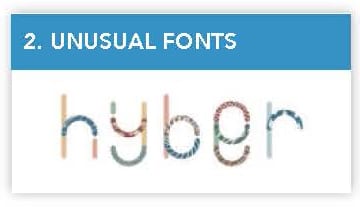
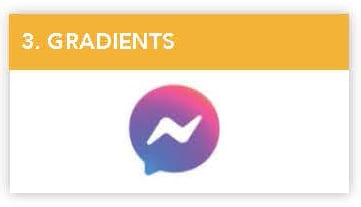
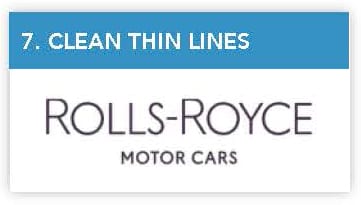
Here’s some of what you can expect from the world of logo design in 2021, along with several examples from the past year. Some predictions aren’t exactly surprising – it’ll probably come as no shock that minimalism is top of the list. Flat, simplified logos have been all the rage for years, with countless companies opting for minimal versions of their existing designs. Several brands including Facebook Messenger and TrueCar have adopted gradient-filled designs lately, and 2021 is predicted to be all about neon shades and bright, saturated colors. Meanwhile, from symmetrical shapes to the clean, thin lines of logos such as Rolls-Royce’s impressive new symbol, we can also likely expect to see lots of neat and refined designs next year – just the tonic after the chaos of 2020.

Source: CreativeBloq

Geofencing is one of the most hyperlocal targeting strategies you can use to reach your audience. Each mobile device uses GPS, Wi-Fi and radio frequency (RFID) to give off its location, allowing you to reach consumers in a specific concentrated area. Within the broader geofence umbrella, there are 3 unique ways that you can target your audience:

Standard Geofence

Standard geofence allows you to choose locations such as competitors, nearby locations, etc. Devices inside those fences are ‘tagged’, and ads can be shown to those users for up to 30 days after they leave the fence. You can also target events to reach attendees and retarget your message to them.

Addressable Geofence

If you have a list of current or former customers, this tactic could help you reach them! Addressable geofence targets consumers based on their specific households. The address list is matched against plat lines (showing how land is divided in your county, with the size and boundary locations). Devices within those locations are ‘tagged’ and updated daily, and consumers using those devices can see your ads wherever they go.

Curated Geofence

Curated addressable works similarly to addressable, but you don’t need a customer list. We build out (or curate) a list of households that meet location and demographic criteria of your target audience. We can target demographically (age, gender, household income, number of children in the household, etc) and psychographically (for those interested in areas such as arts, travel, sports, home improvement, finance, and many more). Think of it like direct mail – only it’s digital and trackable.

Geofence ads are a great way to reach your audience, and there are many options to help ensure you’re targeting the people you want to reach. We’d be happy to talk with you more about geofencing and how it could help your business!

You may not be rocking around the Christmas tree or seeing Mommy kissing Santa Claus this year, but the holiday season is right around the corner. Amid a pandemic and economic downturn, this year’s festivities are likely to look much different than usual. Consumer behavior has changed this year, and the continued presence of the virus will have positive and negative consequences.

On a positive note, a consumer insights survey revealed that consumers aren’t planning to significantly change how much they spend this holiday season. One thing that is changing, though, is how they plan to spend – nearly 70% of survey responders indicated that they plan on increasing their online purchases, while 60% plan to spend less in brick-and-mortar locations.

While the 2020 holiday season looks to be mostly virtual, at least people are still planning on spending! There are a few ways you can prepare to help your consumers adapt to the changes.

Focus on Personalization

Two-thirds of respondents said they expect personalized experiences once they’ve interacted with a brand. Ensuring that the commerce experience is personalized and relevant, particularly for returning customers, can help increase conversions and build consumer loyalty. Another way to do this is by showing your consumers how valuable they are to you. Sending a thank you card or email is a simple act that can motivate consumers to support your business this year.

Offer the Best Consumer Experience

While the holidays are often a joyful time of year, they can also cause stress – and this year more than ever. Perhaps consider providing useful tips and tricks to help alleviate some of that stress, focusing on content that relates to your products or services as well as consumer needs.

Polish Your Messaging

It’s more important than ever to plan your messaging strategy. Keep it professional and consistent, but above all else, keep it authentic. Communicating for the specific context of your audience is key – for example, budget concerns may require an emphasis on return policies. While people are looking for joy this season, it’s also important to make sure any emotional marketing feels genuine and isn’t too over-the-top.

The way people are spending may be changing, but the silver lining is that they are still planning to do so. You may need to broaden marketing strategies to incorporate these new behaviors so you don’t miss out on valuable consumers — both now and after the holiday season.

The phone is one of the most powerful sales tools at your office. When a potential customer calls, they’re either ready to buy or schedule, or are close to making a decision. It’s important to make sure your staff is prepared to set the appointment on every single call so no opportunities are slipping through the cracks. Here are some easy tips and tricks to implement to turn callers into customers.

Build Rapport

Tone is easily conveyed through the phone, so smile while you dial! It sounds cheesy, but put yourself in the caller’s shoes. Would you prefer to work with someone upbeat and passionate or someone who sounds unenthused while they talk to you? Another easy way to build rapport is to repeat the caller’s name throughout the call. When you answer the phone, make sure to grab the customer’s name, and use it frequently to make the call more personal.

Take the Next Step

If you have a physical location, always invite inquiring callers into your business. Just remember, it’s much easier to nail down details and make the sale in person. Don’t let a customer calling with service or pricing inquiries hang up without requesting the appointment.

If you don’t have a physical location it’s still important to ask the caller if they’d like to set up an appointment. Remember, the end goal of every call should be to get them to do business with you!

Gather Contact Information

Always make sure to gather full contact information from each caller. This additional step will make them feel more connected to your business. Gather their name, phone number, email address, and any other necessary information. If you already have their contact information in your lead management system, confirm that it is still up to date. A key way to build rapport is by asking their preferred method of contact (phone call, email, etc) and notate that in your lead management system.

Set Expectations

Give the caller directions to your business and parking instructions, so they know what to expect. If you have COVID-19 specific guidelines (masks, calling when they arrive to keep the number of people in your location down, etc), be sure you give them that information as well. This too will build rapport and increase their commitment level.

If they’re a returning customer, confirm that they still know what to expect, and update them with any new information, such as construction or new paperwork required.

These tips and tricks may seem simple, but they’re often the first things forgotten when an employee answers the phone. It’s important to remember that the little things can make a big difference, especially in today’s world.

Digital marketing has changed immensely in the past decade, and even more so within the last few years. There have been new tactics introduced, changes to Google’s search algorithm, and countless other changes. Consumer habits have changed, too – they’re pickier in terms of what they spend their time reading or viewing. Despite the ever-changing digital world, there are a few trends that will continue to stay relevant when it comes to the online world:

Podcasting continues to grow

There are a number of podcasting types for businesses to explore. Companies that are looking to reach new customers or educate current customers may find a podcast useful. Question and answer podcasts could be a favorite regardless of the ultimate goal of the podcast – being able to answer specific questions from listeners is important. This can earn new customers and provide a sense of comfort to current customers that know they’re in good hands. Keep in mind that your podcasts should have at least an outline to provide some type of structure.

Intuitive web design

Web design has changed Web design has changed immensely over the years with a majority of companies wanting a website designed with SEO in mind. Lacking either web design trends or user experience can limit a business and cripple revenue for online sales or lead generation. Easy to navigate websites will also continue to be important as Google incorporates user experience when ranking sites which also includes page loading time.

Data continues to be king

The days of creating a strategy and then seeing what sticks in marketing are all but over. Data drives marketing in today’s age. Keeping an eye on trends, social media engagement, and more can help provide insight into what messaging is resonating with your audience. Being able to track subject lines and clicks in an email can allow for the ultimate email campaign to be launched. Look for data to become even more present in decision making for years to come.

Digital marketing is constantly changing, but tactics and messaging that will stand the test of time can help maximize ROI for your business.

Source: BrandNewMag

Years ago, Jeff Bezos famously said: “I very frequently get the question: ‘What’s going to change in the next 10 years?’ And that is a very interesting question; it’s a very common one. I almost never get the question: ‘What’s not going to change in the next 10 years?’ And I submit to you that that second question is actually the more important of the two — because you can build a business strategy around the things that are stable in time.”

He went on to explain that what is not going to change is that customers will want low prices, fast delivery, and vast selection. Bezos’ truths address one small part of consumer psychology: consumers’ functional needs. It’s crucial to focus on these core human motivations that shape consumers’ behaviors.

“Consumers are people and people are driven by the same core needs,” explains social psychologist Erica Carranza, Ph.D., vice president of consumer psychology at Chadwick Martin Bailey.

“We all strive to maximize positive emotions, enhance and express our identities, cultivate social relationships, and effectively achieve our goals. Because these are core human needs, brands that help people fulfill these needs drive consideration, trial, loyalty, and advocacy,” she says and adds, “People are thirty-times more likely to try a brand if they expect it to deliver strong emotional, identity, social, or functional benefits.”

And people give different weights to these core psychological needs under different circumstances based upon the context in which they find themselves. This year with the pandemic rearing its ugly head, the deck of consumers’ psychological needs got shuffled but never went away.

Giving consumers control

People want to feel in control and that they can achieve what they want to achieve. In psychological terms, this is called agency. “It’s about their ability to efficiently and effectively achieve their goals,” Carranza explains.

Consumer behavior is a function of both motivation, i.e. psychological needs, and ability, she goes on to explain. Because of the pandemic – first with so many businesses closed and now with fears of personal safety looming as businesses reopen – they’ve lost some of that agency or ability.

There are still psychological challenges to overcome. Brands have to capture people’s attention online, which is harder to do than when they are already primed to shop. “You’re trying to attract people’s attention, when they’re home attending to something else,” she says.

Activating positive emotions

People want to maximize their good feelings and minimize bad ones. That is the emotional component of consumer psychology, but there are two dimensions that underlie all emotional experiences: valence, or the extent to which the emotions are positive or negative, and activation, or the amount of physical energy associated with the emotion.

In the current context, consumers are feeling lots of negative emotions (valence), which can be expressed (activation) in different ways. Carranza illustrates this by comparing anger to sadness, both negative emotional states, but with different levels of activation.

“Anger and sadness are at opposite poles of activation. When people feel angry, there’s a lot of energy that makes them want to act. When people feel sad, they withdraw. It’s a more of a wearying, debilitating experience,” she explains.

Brands want to stay on the positive side of emotional valence and encourage more activation of those positive feelings that stimulate consumers. “High activation and positive emotion make people want to act. They feel energized, excited, and inspired. There is a lot of energy there,” she says.

Trust is another factor that can activate purchases. If consumers have confidence that the business is going to deliver on its positive emotional promise, they are more likely to buy.

Context shapes consumers’ perception

And finally, across these stable consumer psychological motives comes the ever-changing context in which the consumer operates.

“Context shapes how we perceive the environment, the conclusions we draw from it, and the emotional responses we have to it. Motivations remain the same over time, but the means consumers use to satisfy those motivations can change,” says Buycology founder Christopher Gray, Psy.D. Because of the stressful context in which people find themselves, it calls on businesses to pay more attention to the less activating, but more emotionally-reassuring good feelings Carranza talks about, specifically creating a peaceful, calm, relaxed, comfortable, and secure physical environment.

“It is really important to go overboard in creating a context that is positive, friendly, welcoming, and safe,” Gray says.

This is complicated by the need to wear face masks in stores. Face masks eliminate people’s ability to read facial expressions that are so important in the social context. This can be overcome by more vocalization that communicates friendliness, like a laugh, and more expressive, open body language, such as friendly hand gestures and no crossed arms.

In conclusion, consumer psychology – giving people control, activating positive emotions, reinforcing personal identity and belonging – is the unchangeable foundation on which to build a winning business strategy, all the while being ready to adapt expeditiously as consumers’ social and cultural context changes.

Source: Forbes

By now, it’s very clear that we are living in a unique time, full of new challenges and opportunities. It can be a challenge to stay positive, what with the never-ending news cycle and stressful stories. There are still many restrictions, some business have suffered losses or had to downsize. But reviewing all the bad things that are happening isn’t going to help. Focusing on the good and trying to capitalize on the situation is key. It’s about being realistic, while adapting to the changes and keeping a positive attitude.

Finding The Silver Lining

Finding positive things in tough times is a skill. But here are just a few changes that can be seen as a silver lining in the pandemic cloud:

– Work/Life Balance: The pandemic has allowed us to spend more time at home, with our families. This situation is the perfect opportunity to evaluate your time and what projects you can do from home in the future, allowing you to spend more time with those you love.
– Change the way you do business: Many businesses have changed the way they operate, increasing technology usage (like Zoom) or moving retail online. These new technologies can not only help your company adapt to the changes in the world, but may even help reduce expenses.

How To Stay Positive During COVID

Creating a productive, positive environment will help the atmosphere in your office. A business is an intertwined system of people, and each action unleashes a chain of events.

– Ask yourself “how do I feel?” The answer to this question will impact your business as well as the whole cycle. Creating a positive environment begins with yourself – think and act positive, and make small changes that favor everyone.
– Specific actions (rearranging space, painting a wall, etc) can help you stay proactive and positive, and help spread an encouraging attitude.
– When employees feel the encouraging change, they will react positively, which will be reflected in their attitude and work.
– A motivated, upbeat team translates into happy clients, which can lead to increased sales. As sales increase, morale continues along a positive path.

It’s an unfortunate reality that the current situation will likely continue for at least several more months. It’s important to not create false expectations – you must balance your positivity with a healthy dose of realism. To be positive, you must be realistic and maintain fluid communication with your team and your clients. Quarantine may be extended, which may unmotivate you or others – but it can also be seen as a tool to help plan and improve. The quicker you accept the situation, the quicker an action plan can be drawn up to help your team understand the next moves, and improve company confidence.

Congratulations, you survived the first half of 2020! Traditionally, we save the accolades on a job well done for year-end — but right now, we are all feeling the need to check in and pat each other on the back a little more frequently. The year 2020 has definitely been challenging for all of us. The uncertainty of a pandemic, a questionable economy, national protests, an election year — all adding up to a sort of chaos that many of us have never experienced. But out of the ashes can come amazing rebirth.

We’ve seen it before. Despite many predictions that the end of WWII would throw the US into a deep depression as the wartime economy came to a halt, the years between 1945 and 1947 were a period of economic growth and prosperity like we’d never seen. In the years following the 2008 recession, during which the US economy nose-dived, we experienced unprecedented economic growth and historically low unemployment. Rest assured, there’s hope and historical precedence that great prosperity will follow the current state of instability

We’ve already seen innovation rise up from the chaos. Distilleries have pivoted from making vodka to making hand sanitizer, Zoom has transformed itself from a business tool into a household necessity, ApplePay and other digital payment services are surging, Kroger has hired 40,000 new employees to meet online shopping demand. Not to mention new emerging tech markets like contact tracing and walk-through body temperature detectors. Chaos breeds creativity

At CSM, we are optimistic about the future. We have witnessed the resilience and tenacity of our clients and we have supported them as they adapt to the changing needs and behaviors of their customers and patients. We have helped our partners re-examine their business objectives and create new, more inclusive ways to deliver on their brand promises. In the second half of 2020, we will continue to provide guidance and plenty of pats on the back as we all navigate through the current turmoil toward the prosperity that we know awaits us.
We’ve got your back.

~ The CSM Team

Google recently announced that they will be implementing an Advertiser Identity Verification process for all US advertisers, rolling out over the next two years.

The Google verification process is part of Google’s commitment to provide users transparency and helps to increase trust while allowing users to make informed decisions about the ads they see online. They will use a combination of personal identification, business incorporation documents, and other information (such as tax documents) that proves who the business/advertiser is.

So what will we need from you?
Gather all the necessary documents. Below are the items required for verification.

– Organization legal name
– Organization legal address
– EIN or TIN
– Verification Documentation\
-This must be your organization’s W9 or an IRS document showing your organization’s name, address and EIN. Information submitted must match the submitted document, including your organization’s name and address.

In certain instances, advertisers may be asked by Google to further verify their business operations or the content promoted within ads. If your business falls within one of these instances, we will be notified by Google and reach out to you to initiate further verification.

This process is a way for Google to help make the ad experience more available and transparent. As your digital partner, we will be working with you on this process. We’re here to help!